Whether across HR Tech, CRMs, or Healthcare applications, users are becoming more tired of tool sprawl, and they’re increasingly consolidating around platforms that own entire workflows, not solutions that solve one problem.
This shift isn’t slow or theoretical. It’s already reflected in churn rates, adoption curves, and expansion metrics across SaaS. The products winning today, and the ones heading into 2026 with momentum, share three things:
- They embed infrastructure instead of rebuilding it
- They own workflows end-to-end
- They capture the contextual data that powers AI automation
Embedded infrastructure is your competitive advantage
Engineering teams are already stretched and roadmaps are already filled with plans for 2026, and somewhere in that backlog you have features that would genuinely differentiate your platform, drive customer expansion, and set you apart from competition.
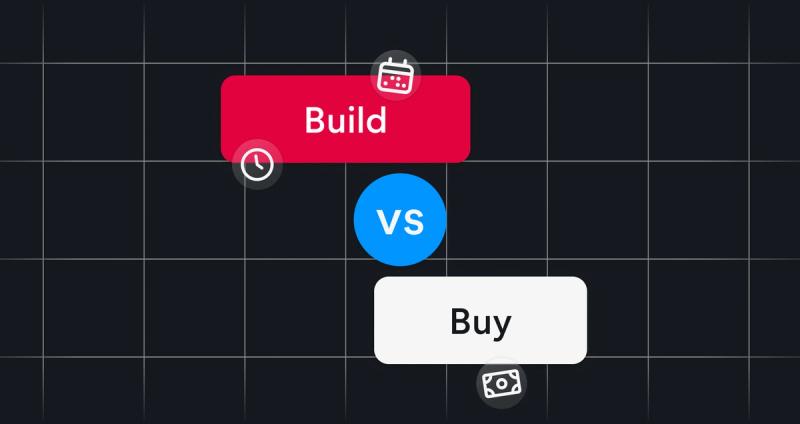
Then you add another integration to the list, and task your team with rebuilding something that already exists. Whether it’s calendar integrations, communication tools or data capturing, this non differentiated work takes significant engineering time, and that’s the infrastructure trap. Time is spent rebuilding foundations that already exist, while competitors who embed proven infrastructure instead of building it in-house redirect that capacity into features that set you apart.
By 2026, this velocity compounds into a significant competitive advantage. Embedded infrastructure isn't outsourcing your platform, it's strategic prioritization. You're deciding to own the workflows and experiences that differentiate you, while integrating the foundational infrastructure that doesn't.
The winning platforms in 2026 will be the ones that were disciplined about what to build and what to embed.
Platforms that own the journey will win
Your platform might be excellent at what it does, but users likely still need to leave it to complete critical actions.
In HR Tech, hiring stretches across scheduling links, manual note taking and feedback tools. In CRM, sales cycles span pipeline boards, calendars, emails and call notes. In Healthcare, patient care happens across scheduling, communication, and documentation systems.
Every context switch is a chance for information to be lost, and every tool transition is a reason for a customer to wonder whether another platform could do the job more cleanly. Users do not want more tools, they want fewer tools that carry them from start to finish without friction. When workflows happen inside your product end-to-end, retention improves, expansion becomes easier, and the data you capture becomes more powerful.
The winning platforms in 2026 won’t be defined by feature count, but by workflow ownership.
Contextual data is the AI advantage
Generic AI features will be everywhere in 2026, but the platforms that stand out will be the ones that build intelligence tied to their domain, with data that reflects real decisions made inside their workflow.
That is only possible with contextual data. If interviews, discovery calls or patient consultations happen in external tools, you lose the signals that make AI useful. When workflows are consolidated inside your platform, you capture structured actions and outcomes, which opens the door to real intelligence: automated interview scoring, deal forecasting, risk stratification, learning progression signals, and more.
The winning platforms in 2026 will be the ones who unlocked access to that data via consolidated workflows, allowing them to build domain-specific automations.
Your 2026 readiness checklist
These three elements don't exist independently, they're a system.
Embedded infrastructure lets you move quickly to consolidate workflows. Consolidated workflows keep users inside your platform, generating rich contextual data. That data powers AI features that drive retention and expansion. Each element makes the others more valuable, and together they create a moat that becomes hard for competition to breach.
By early 2026, winning platforms will have made decisions on these fronts:
- Infrastructure: What foundational systems are you embedding versus building, and how much roadmap are you saving by not rebuilding them internally?
- Workflows: Where do users still have to leave to complete their journey, and which workflows will you consolidate next year?
- Data: Are you collecting the context and outcomes that power AI, or is that information scattered in external tools?
How Cronofy helps you get there
The platforms that will win in 2026 aren't the ones making these decisions in Q1, they're making them now.
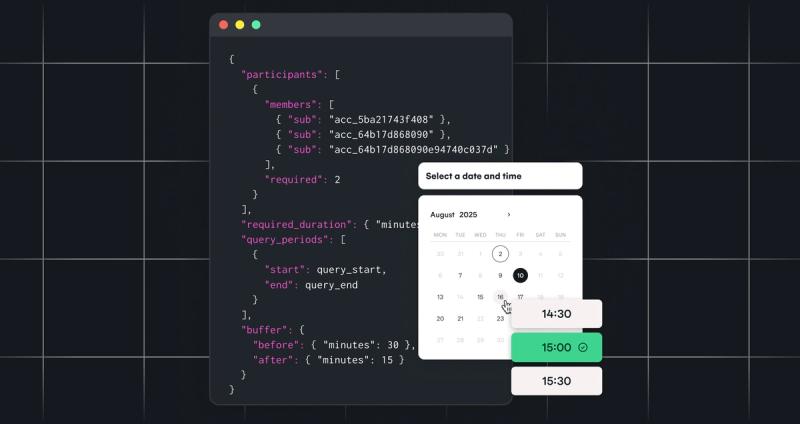
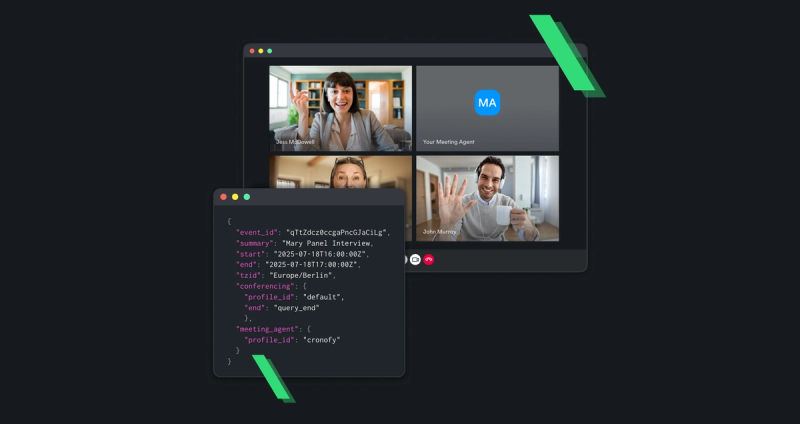
Cronofy provides a single infrastructure layer that lets you embed meeting scheduling and outcome capture inside your platform without months of internal engineering. This means you consolidate workflows faster, retain users who would otherwise leave for more complete solutions, and capture the contextual data required for automation that truly differentiates you.
See how Cronofy can accelerate that path here.