1. Underestimating the importance of owning their users’ meeting data
The triggers for Product Managers deciding they need to own meeting intelligence are usually the same. Users are leaving your platform to take notes in a third-party AI notetaker. Recordings are living in tools you don't control. Decisions are being made from conversations your product never saw. At some point, a product team looks at this and decides: we should own this. But is there more to the picture?
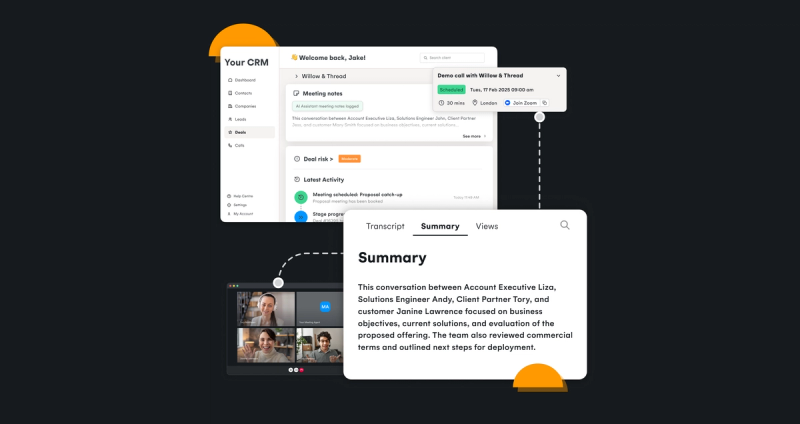
"The question isn't really about native or nothing," Nataliia explains, taking the example of applicant tracking systems. "The real risk is that valuable data is just never becoming part of your product." When meeting data sits outside your platform, it doesn’t power your workflows, and everything built on top of it becomes harder: scorecards, candidate summaries, ATS sync. "Capturing meeting data natively gives you the strategic leverage, because you own the workflow layer that you can then build on top of.”
2. Treating the recording as the end goal
Getting meeting data into the product is step one. What teams build (or don’t build) with it next is where most of the value gets left on the table.
"The value is never in the recording itself, it's what you can actually turn this conversation into," says Nataliia. “The transcript in itself is just the raw material. The product value comes from the workflow you build on top of it." That shift in thinking changes how the work gets scoped, and how ambitiously teams look at potential features.
3. Pitching it as a feature, not infrastructure
When meeting capture sits on the roadmap as a single feature, it loses prioritisation conversations. The problem is that teams don’t frame it as infrastructure, and see it more as an isolated AI feature.
If a single capability unlocks notes, scorecards, search, reporting, and workflow automation, it stops competing with the roadmap and starts underpinning it. "It's not really about one roadmap item competing against the others," Nataliia says, "because then it's easily becoming the foundation for several of them, and even the strategic pillar in itself." The downstream potential is significant. Clean, structured meeting data is what makes building genuinely intelligent AI features possible.
4. Taking the vendor demo at face value
Vendor evaluation is where surface-level assessments can cost teams months. Even if the demo looks clean and the documentation looks complete, the real questions often only surface later down the line.
"The real question you need to answer during the process is: can we trust this vendor enough to make it a part of a real meeting workflow?" advises Nataliia. The biggest risks with third-party integrations tend to cluster around data residency and reliability, both of which are harder to assess from a demo than from a direct conversation about uptime SLAs and incident handling. Ways of working matter too. "Your vendor needs to feel like a true partner, since you will be co-innovating a lot together."
5. Underestimating what the build actually involves
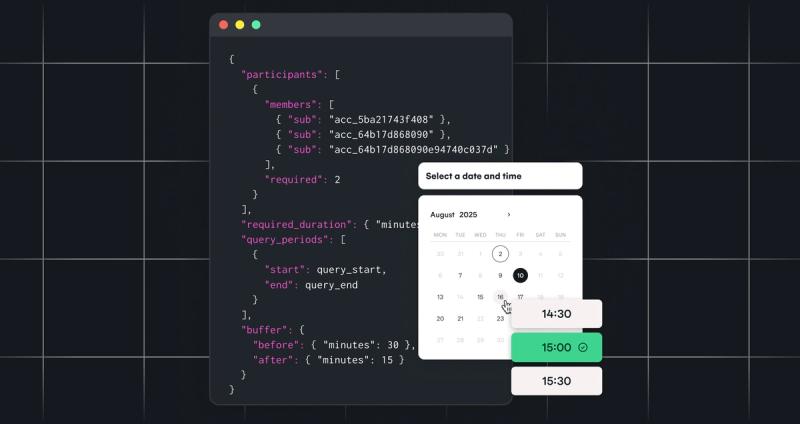
Consent, storage, permissions, data retention, integrations, uptime, maintenance all need owning from day one. You can build a working prototype easily, but the real problems come when you go live, and may take up more roadmap time than teams think.
"This is not just about recording plus transcription. What will happen when external platforms change something? Who are you going to put on those tasks? When you have the estimates conversation, you also need to include the full operational complexity that you will need to take care of from day one."
Compliant meeting capture & infrastructure, ready to deploy today
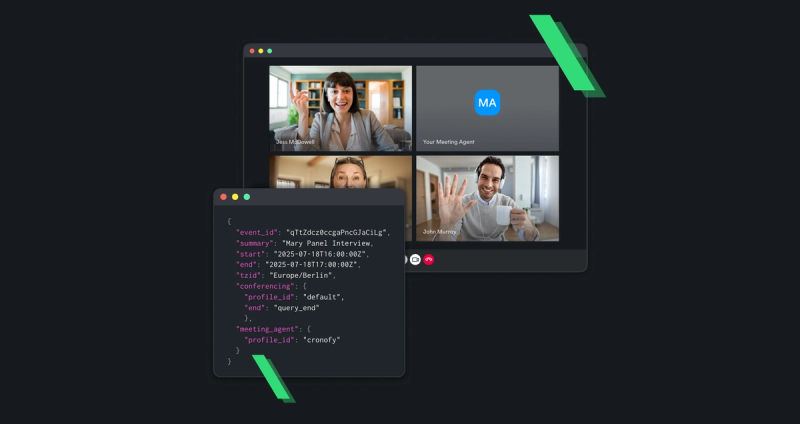
Cronofy’s Meeting Agents give product teams the recording, transcription, and structured data layer, so they focus on building features on top, not the infrastructure beneath. Meeting Agents are EU-based, GDPR and HIPAA compliant, and built to handle the uptime, consent, and data residency requirements that meeting capture demands.
Still unsure whether you need to build, buy, or something in between? Nataliia is holding a limited round of 15-minute consultations for those scoping out meeting capture for their product. No sales, no pitch decks, just advice from a PM who has seen these projects before.